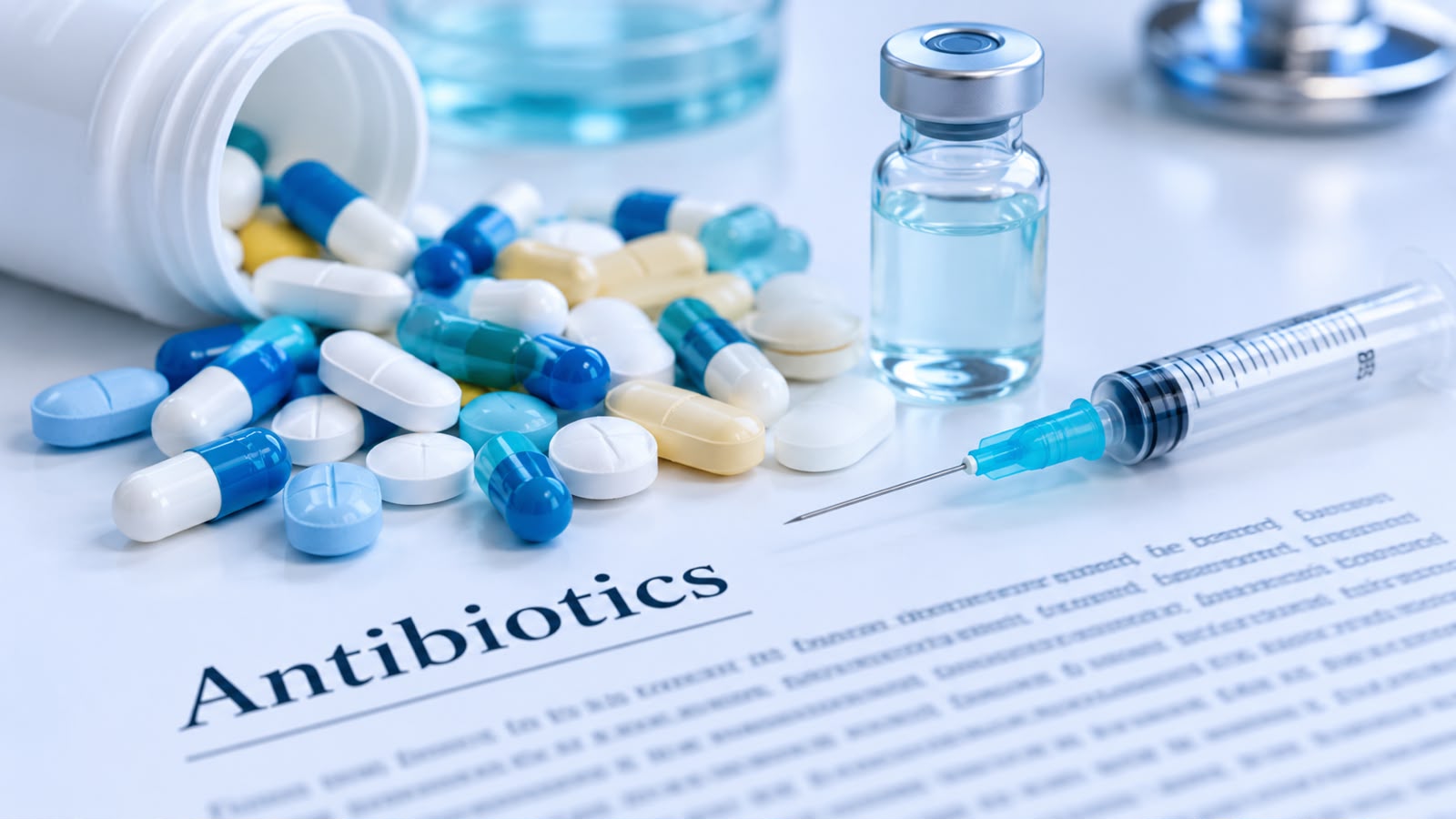
Have you ever left your Antibiotics course incomplete because you felt better after a few days? If yes, you are risking yourself to a major global health threat called Antimicrobial resistance (AMR) also known as Antibiotic resistance. In 2021, AMR was associated with 9,87000 deaths in India alone.
This brings us to our next question- “What is Antimicrobial resistance and how does it affect the human body?”
Antibiotics are prescribed to treat bacterial infections by killing or inhibiting the growth of harmful bacteria. However, it is common for symptoms to improve before the infection has been completely eliminated. Skipping dosages or ending the treatment prematurely, allows these surviving bacteria to continue multiplying, increasing the risk of the infection returning and can potentially reduce the effectiveness of treatment .
Antibiotic resistance happens when bacteria are exposed to antibiotics but are not completely eliminated. The remaining bacteria can adapt and evolve to withstand future treatment and survive the use of medicines meant to kill or weaken them. This means infections that were once easily treatable may require stronger, more expensive medicines, longer hospital stays, and more complex medical interventions. There are only a limited number of medications that can kill or weaken bacteria. Antibiotic resistance leaves fewer effective medications for these infections, which can lead to serious disability or death.
The growing burden of antimicrobial resistance is already being felt around the world. In 2023, approximately one in six laboratory-confirmed bacterial infections worldwide were resistant to antibiotics. Between 2018 and 2023, antibiotic resistance increased across many monitored pathogen-antibiotic combinations, with annual growth rates ranging from 5% to 15%. India is also significantly affected. In 2021, bacterial AMR contributed to more than 266,000 deaths in the country. WHO estimates that antibiotic resistance is highest in the WHO South-East Asia and Eastern Mediterranean Regions, where 1 in 3 reported infections were resistant.
Completing your prescribed Antibiotic course ensures Complete Eradication of the Infection, prevents Antibiotic Resistance as well as recurrence of the infection.
Some bacterias can also be contagious and completing your course prevents the infection from spreading. During a bacterial infection your body also needs time to fully recover and function properly. When you stop your antibiotic course early, it leads to a longer recovery period, increased fatigue, and a higher chance of complications. Completing the regimen allows your body to heal more efficiently, restoring your health sooner.
It is important to remain consistent during your antibiotic course, even if you miss a single dose, take it as soon as you remember, unless it’s time for your next dose ( we should not take a double dose of antibiotics, to make up for a missed dosage.) If you’re unsure about what to do, contact your healthcare provider for guidance. Antibiotics are powerful tools, but only if used properly. Recovery might take time but it’s important to complete the full course of your prescribed Antibiotics, as prescribed by your doctor. This helps to keep yourself and the community safe from the dangers of incomplete antibiotic treatment.