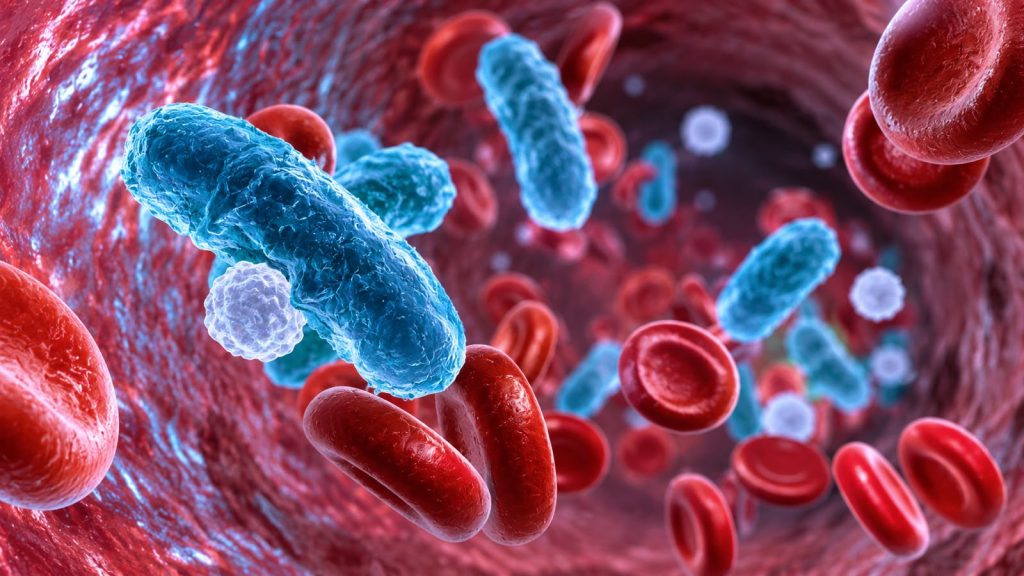
A fever, cough, urinary tract infection, or a seemingly minor wound is often overlooked and not treated as a matter of concern. For most people, these conditions are treatable and resolve without major complications. However for certain individuals, such as, older adults, people with diabetes, cancer patients, pregnant women, people with weak auto immune system and people who completely neglect these conditions, a small infection can escalate into a severe medical condition called Sepsis.
Sepsis is a life threatening medical emergency which occurs when our body is unable to fight an infection in a controlled manner and instead starts damaging its own tissues and organs. Our immune system reacts in an overwhelming manner triggering extensive inflammation throughout our body. This can impair blood flow, damage vital organs and ultimately lead to a ‘septic shock’.
Sepsis is a global burden as approximately 49 million people develop sepsis every year and nearly 13 million sepsis-related deaths are reported globally. It is also one of the leading causes of in-hospital mortality across the world. Research suggests that people with diabetes face approximately 3 times the risk of developing severe infections that can progress to sepsis. Diabetics in septic shock have a 10% higher mortality than non-diabetics. Despite these alarming numbers, awareness remains low and many cases are identified after the occurrence of significant organ damage.That is why it is very important to understand sepsis and recognize its early warning signs as most people have a family member, friend, loved one or themselves fall under one of the high risk groups.
Sepsis develops from different kinds of infections, but Bacterial infections is the leading cause for most cases. Pneumonia accounts for roughly 30% of the cases, while Urinary Tract infections lead to approximately 25% of the cases. Soft tissue infections such as infected wound or diabetic foot infections and abdominal infections such as appendicitis or gallbladder infections account for 15% each.The remaining cases arise from conditions such as meningitis, bloodstream infections, and other serious infections.
Early warning signs of sepsis shock include, continuous fever about 38.3°C, unusually low body temperature below 36°C, rapid breathing exceeding 20 breaths per minute, a resting heart rate above 90 beats per minute, low blood pressure, reduced urination or having strong urges to pee, severe weakness and cold or clammy skin. In older adults, sudden confusion or a change in mental status is considered one of the earliest indicators that sepsis is developing.
During a sepsis shock, time is the most crucial element. Survival rates can reach 70–80% when appropriate antibiotics are administered within the first hour, but outcomes decline dramatically when treatment is delayed.Studies have shown that for every hour antibiotic treatment is delayed in patients with septic shock, the risk of mortality increases by approximately 7.6%.
Sepsis is a medical emergency that demands immediate attention. Recognizing the warning signs, seeking prompt medical care for infections, and acting quickly before symptoms worsen can save lives. Early diagnosis and treatment remain the most effective tools in making the difference between recovery and a life-threatening outcome.